Panchvaktra Maha Rudra

Updated: Oct 26, 2024

The five heads of shiva symbolize different aspects of cosmic function—creation, emotion, transformation, motion, and knowledge. They represent five different directions, with each head corresponding to a specific element and energy. Let’s go ahead and discuss each head and its significance in more detail.
The first head of Shiva is called Sadyojata, and it represents the West direction. The element associated with Sadyojata is Earth, also known as Prithvi Tattva. The bija or seed sound for this head is Lam.

Sadyojata symbolizes creation (birth)—the creation of a new form, like putting on a new dress or entering a new body. Just as we are born in the east, symbolized by the lagna or rising sign, it is through Prithvi Tattva that the physical body is created. This direction and element signify stability, foundation, and the grounding aspects of existence.
You see, birth is not just about the beginning of life but also about new possibilities, new opportunities, and how we manifest physically in the world. Sadyojata is the witness to all births, representing the stable, grounding force that supports everything else in existence.
Moving on to the second head—Vamadeva, which is associated with the North direction. Here, the element is Water, or Jala Tattva, and the bija sound is Vam.

Vamadeva represents the emotional aspect of existence—the fluidity of feelings and relationships. The term Vam also means left, and it is connected with the spouse and feminine energy. Think of water as representing our emotions—it’s fluid, it moves freely, and it ebbs and flows, just like our emotional states.
In the human body, water is represented by blood, and it reflects our emotional well-being. Jala Tattva governs our relationships, nurturing, and home. The Moon and Venus are two planets deeply connected to water—they symbolize home, family, and the nurturing qualities we all possess.
Think about Krishna lifting Govardhan to protect the people of Mathura from the wrath of Indra, the god of the senses. In this act, Krishna was shielding the community—teaching us about collective happiness. The real meaning here is that Indra symbolizes our indriyas, or senses, which try to delude us with pleasure. Krishna, in lifting Govardhan, teaches us to protect ourselves from such delusion.
Swami Vivekananda also spoke about true spirituality as the ability to feel for others—to cry for them. This is the essence of Vamadeva—the capacity to care, to nurture, to empathize.
Next, we have the third head—Aghora, associated with the South direction. The element here is Fire, or Agni Tattva, and the bija sound is Ram.
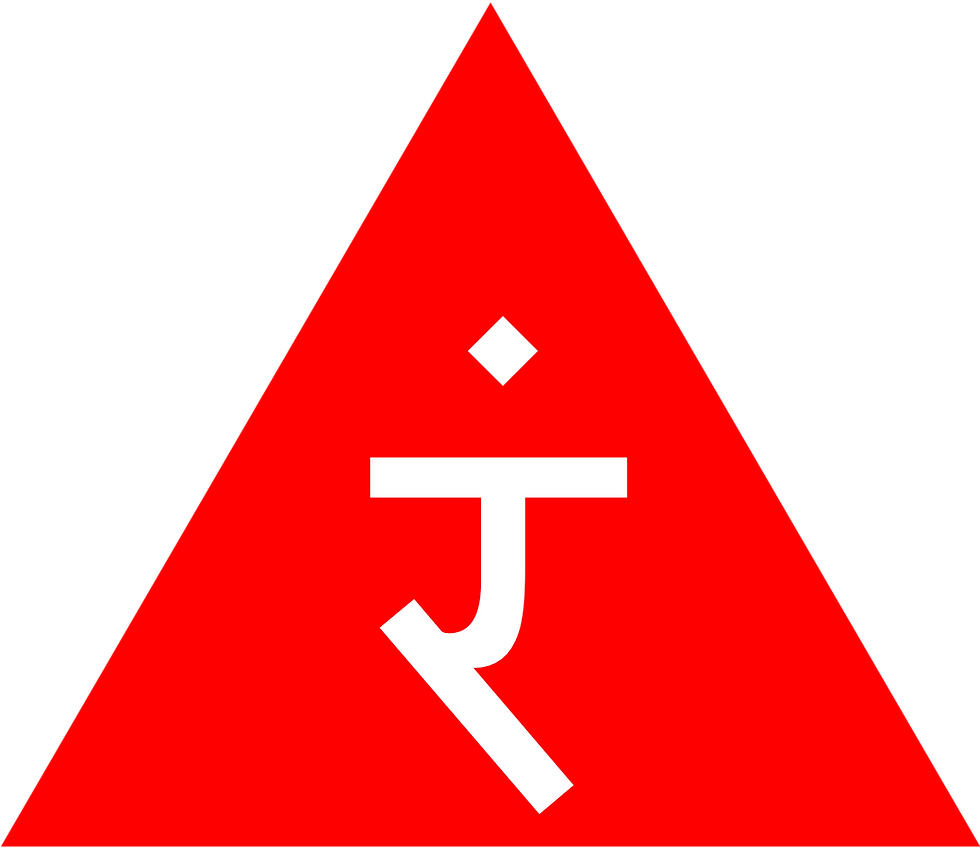
Aghora symbolizes transformation and purification. Agni, or fire, is represented by light—it helps us see clearly, perceive beauty, and understand the world around us. It’s the light we need to remove the darkness within us. Aghora represents that transformative power—guiding us to see beyond illusions and witness the beauty of what truly exists.
Fire is also about being fearless—it provides us with the energy to transform our weaknesses into strengths. Aghora helps us shed our ignorance and embrace our true nature.
Now let’s talk about the fourth head—Tatpurusha, which represents the East direction. The element here is Air, or Vayu Tattva, and the bija sound is Yam.

Tatpurusha literally means "that supreme being." It refers to Shiva as the divine observer—the supreme consciousness residing within each one of us. The Air element symbolizes movement, breath, and the life force.
Vayu plays an important role in relationships—it brings people closer or creates distance. Air is all about movement; you cannot hold it in one place. In the Ramayana, Ravana couldn’t hold down Hanuman, who symbolizes the positive aspect of Vayu—the power to transform, to become lighter or heavier at will, known as Laghima and Garima Siddhi.
Vayu also governs our ability to speak and communicate. Good Vayu in the chest allows us to breathe properly, sing, and express ourselves. It uses throat, and teaches use the proper use of sound and speech. Pranayama, or control of breath, is all about using Vayu to perfect our actions—connecting us to the rhythm of life.
Finally, we have the fifth head—Ishan, representing the upward direction. The element is Ether, or Akash Tattva, and the bija sound is Ham.

Ishan is the giver of knowledge, the one who witnesses all sorrow. Akash is the space in which everything exists—it’s the medium for knowledge and the potential for everything to manifest. Rajas and Tamas, the qualities that often bring sorrow, are transformed when we seek knowledge.
There is a beautiful quote—"Ishana sarva vidhanaam ishwarah"—which means, God is knowledge spread every where. if you have knowledge, sorrow will disappear. This is because knowledge and ignorance cannot coexist. Jupiter, the planet of wisdom, gets debilitated in Capricorn, the sign of Saturn, representing the idea that true knowledge cannot thrive amidst materialism and sorrow.
Akash is also about attraction—think of the flower attracting a bee, or the magnetic pull between beings. Akash is the subtle force that creates attraction, connection, and, when broken, can lead to repulsion—the point where we say, "I can’t take it anymore." This element is omnipresent—it pervades all existence, guiding all decisions and relationships.
Shiva, through the head of Ishan, embodies the perfect Akash—the ability to witness everything without attachment or sorrow.
Now, let’s summarize what we’ve learned today.
Sadyojata (West) represents birth, the creation of physical form through Earth (Prithvi Tattva).
Vamadeva (North) embodies emotion and nurturing through Water (Jala Tattva).
Aghora (South) provides clarity and transformation through Fire (Agni Tattva).
Tatpurusha (East) governs speech, relationships and movement through Air (Vayu Tattva).
Ishan (Upward) gives knowledge and wisdom through Ether (Akash Tattva).
Together, these five heads represent a complete understanding of the cosmos and the elements that influence our lives. They show us the importance of aligning with the energies of creation, preservation, transformation, witnessing, and transcendence.
Om Tat Sat


Comments