Form of Devta

Updated: Oct 26, 2024
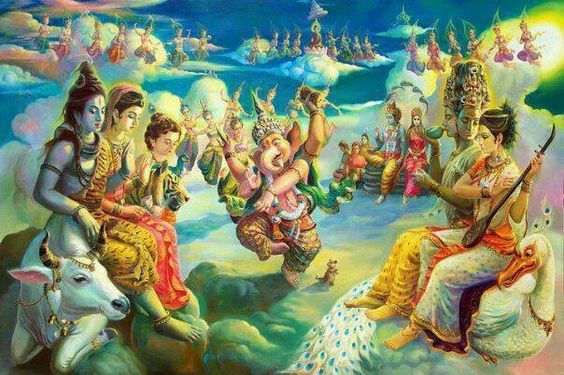
Vedic astrology offers a rich tapestry of meanings and associations that go far beyond basic celestial calculations. One fascinating concept is the connection between planets, their exaltations, and the divine forms they represent. The concept of "Devatā Form" assigns divine archetypes to planetary positions, connecting the cosmic and divine in profound ways.
Planets in Exaltation and Avatāra Associations
Exalted Planets : Avatār Devatā.

When a planet is exalted, it transforms into an Avatāra, a divine incarnation that upholds dharma and brings balance to the universe. When a planet is in exaltation, it represents a specific incarnation with unique qualities and roles. Here is a list of planets in exaltation and their associated Avatāras.
The Sun in Aries (Ar) represents Rama, the ideal ruler and hero of the Ramayana.
The Moon in Taurus (Ta) symbolizes Kṛṣṇa, the divine lover and preserver of dharma in the Bhagavad Gītā.
Mars in Capricorn (Cp) represents Nṛsiṁha, the half-lion, half-human incarnation of Viṣṇu, symbolizing power and protection.
Mercury in Virgo (Vi): Buddha represents Mercury's wisdom and rationality when in its own sign.
Jupiter in Cancer (Cn) represents Vāmana, a dwarf avatāra who restored cosmic balance through humility and determination.
Venus in Pisces (Pi) represents Paraśurāma, a warrior sage who upholds justice and eliminates wrongdoing.
Saturn in Libra (Li): Kūrma, the tortoise avatāra, which represents stability and balance.
Rāhu in Gemini (Ge) represents Varāha, the boar who saved the Earth, representing strength and resilience.
Ketu in Sagittarius (Sg): Matsya, the fish incarnation, symbolizes guidance and protection during turbulent times.
Lagna in Vargottama represents Kalki, a future avatāra who will restore dharma at the end of the current age.
These associations show how each exalted planet resembles an avatāra, bringing unique energies when at their peak.
Planets in their respective signs: Tattva Devatā.
Planets in their own signs represent Tattva Devatā (elemental deities), who represent the fundamental energies or elements of existence. These devatās offer insight into the fundamental nature of planetary energies:
Pṛthvī (Earth Element) is associated with Gaṇeśa, who removes obstacles and brings stability. Mercury in Gemini (Ge) represents this energy.
Durgā, the goddess of power and protection, embodies the Water Element, which represents emotional depth and nurturing qualities. Venus in Taurus (Ta), Venus in Libra (Li), and the Moon in Cancer (Cn) represent this energy.
Agni (Fire Element): Sūrya (the Sun) represents vitality and transformation. Mars in Aries (Ar), Mars in Scorpio (Sc), Sun in Leo, and Ketu in Scorpio (Sc) all represent this energy.
Vāyu (Air Element) is associated with Śiva, the supreme ascetic and transformer, and represents movement, discipline, and transformation. Saturn in Aquarius (Aq), Saturn in Capricorn (Cp), and Rahu in Aquarius (Aq) represent this energy.
Viṣṇu represents the Ākāśa (space element), which preserves and protects the universe. Jupiter in Pisces (Pi) and Jupiter in Sagittarius (Sg) represent this energy.
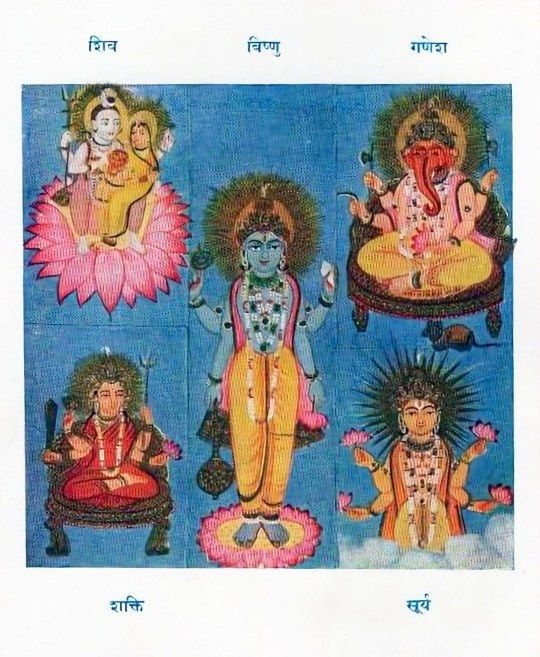
These elemental associations demonstrate how divine energies manifest differently depending on planetary placements, giving a better understanding of how different celestial configurations affect life on Earth.
Understanding Spiritual Significance
The intricate relationship between planetary exaltations, avatāras, and elemental devatās exemplifies the cosmic order. Each celestial body and its position in the zodiac chart represents a spiritual lesson, an opportunity for growth, or a display of divine grace. The exalted planets' connection with avatāras inspires us to strive for qualities like humility, strength, wisdom, and justice.
Planets' signs and associations with Tattva Devatā help us understand the elemental forces that shape our lives. By tuning in to these cosmic energies, we can gain insight into our spiritual paths and align with the greater forces of the universe.
Vedic astrology uses exaltation, avatāra forms, and elemental devatās to remind us of our connection to the universe and divine energies that shape our lives. Understanding these celestial archetypes allows us to navigate life with a greater sense of purpose and harmony with the cosmic order.
Om Tat Sat


Comments